How LED Paver Lights Create Safer, Stylish Walkways
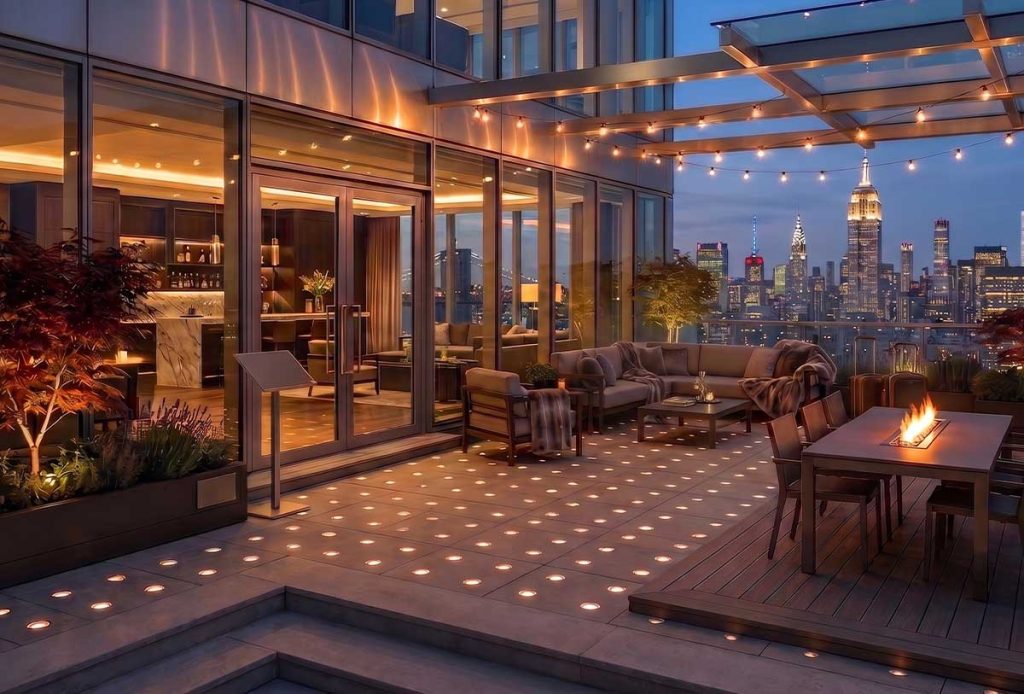
Integrating durable LED paver lights directly into outdoor walkways transforms ordinary hardscapes into visually striking pathways that remain safe and navigable after dark. Modern landscape projects demand lighting solutions that provide subtle illumination without creating clutter or tripping hazards above ground. Installing flush-mounted fixtures into stone, concrete, or brick pavers seamlessly blends functional safety with refined exterior aesthetics.
How LED Paver Lights Transform Walkways into Safe and Stylish Pathways
Upgrading to LED in-ground paver lights improves night safety while highlighting architectural features across your property. Traditional stake lights often protrude into walking paths, creating physical obstacles and risking damage from lawn equipment. Replacing or supplementing those fixtures with low-voltage fixtures embedded directly into hardscape units offers a clean, streamlined alternative.
Achieving a professional installation requires selecting high-grade materials built to withstand direct pressure from foot traffic, heavy weather exposure, and surface moisture.
Core Benefits of Low-Voltage LED in-Ground Paver Lights
Flush hardscape lights deliver several practical advantages compared to traditional elevated landscape fixtures.
- Enhanced Safety: Low-profile housing sits level with adjacent stones, eliminating tripping hazards along garden paths, steps, and driveways.
- Streamlined Design: Concealed wiring and flush lenses preserve clean lines across patio surfaces and walkways during daylight hours.
- High Durability: Rugged housing units withstand heavy foot traffic, patio furniture movement, and variable weather conditions.
- Energy Efficiency: Modern solid-state diodes consume minimal wattage while providing clear, consistent illumination.
Selecting the Right Material Profiles for Landscape Durability
Fixtures embedded directly into ground surfaces face continuous exposure to soil moisture, rainwater, and physical friction. Choosing resilient housing materials prevents moisture intrusion and internal lens fogging over time.
- Cast Stainless Steel: Offers superior corrosion resistance and high structural load ratings for high-traffic walkways.
- Solid Brass Construction: Develops a subtle protective patina over time, making it ideal for natural stone and brick applications.
- Anodized Aluminum: Provides a lightweight, cost-effective option for protected residential installations.
- Tempered Glass Lenses: Resists impact scratches, thermal stress, and UV discoloration to maintain optical clarity over long periods.
Planning Installation and System Wiring for Paver LED Lights
Proper wiring strategy and transformer sizing determine the long-term reliability of any low-voltage paver LED lights layout. Running low-voltage lines beneath hardscape surfaces requires precise planning during the initial paver laying phase.
| Component Type | Primary Specification | Key Installation Role |
| Low-Voltage Cable | 12/2 or 10/2 Direct Burial Wire | Delivers consistent power along the lighting run without significant voltage drop |
| Power Transformer | 12V to 15V Multi-Tap Unit | Converts household AC current to safe, low-voltage power for long fixture runs |
| Waterproof Connectors | Gel-Filled Wire Nuts or Heat Shrink | Seals electrical connection points against ground moisture and corrosion |
| Sub-Base Conduit | Flexible PVC or Protective Sleeving | Shields buried wiring beneath aggregate base materials from shifting stone pressure |
Strategic Placement for Maximum Visual Impact
Positioning individual fixtures requires balancing functional light distribution with subtle aesthetic atmosphere. Over-illuminating a path causes harsh glare, while under-illuminating leaves dark shadow zones between units.
Staggering lights along opposing borders of a walkway creates a balanced flow of soft light that guides pedestrians naturally. Placing fixtures near step risers, elevation changes, or turns along garden paths provides essential visual cues for safe night navigation.
Enhancing Hardscapes with Modern LED In Ground Paver Lights
Upgrading existing stone or brick installations requires specialized tools to cut precise recesses into hardscape blocks. Incorporating LED in ground paver lights into pre-existing layouts demands accurate measurements to ensure each unit sits completely flush with adjacent stones.
Weatherproofing and Drainage Considerations
Water management around buried electrical fixtures remains crucial for preventing internal condensation and premature diode failure.
- Aggregate Base Drainage: Place a crushed gravel base directly beneath each fixture housing to channel water away from wire connections.
- Sealed Junctions: Use silicone-filled marine wire connectors to isolate splice points from standing moisture.
- Perimeter Sealing: Apply clear, weather-resistant silicone around outer lens bezels to block surface runoff from entering sub-base channels.
Choosing Light Temperature and Beam Spreads
Light color temperature greatly influences how hardscape materials appear at night. Selecting the proper Kelvin rating ensures stone textures and surrounding plants look natural under artificial light.
- Warm White (2700K to 3000K): Enhances warm stone tones, brick, and natural wood accents, creating a cozy atmosphere.
- Cool White (4000K to 5000K): Highlights modern gray slate, concrete pavers, and sleek architectural features with crisp clarity.
- Wide Diffused Lenses: Scatter light broadly across wide walking surfaces without casting sharp, distracting shadows.
Thoughtful planning around fixture selection, transformer capacity, and waterproof installation delivers a safe, stylish landscape layout that elevates your outdoor living area for years to come.